The end of the year is a time for reflection on the year past. People write holiday cards summarizing the highlights of the year—critics and creatives put together their top media of the year, from albums, movies, and books, of course.
Murder & Mayhem spoke with several mystery and thriller writers about trends in the world of mystery and thrillers in the past 12 months.
Adaptations into Television and Film
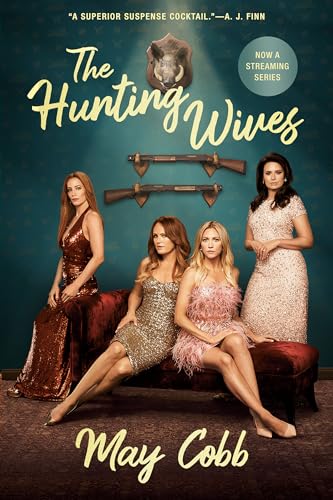
Olivia Blacke, an Anthony Award-winning mystery writer of the paranormal Ruby and Cordelia Mystery series, has seen more mysteries and thrillers become movies and television shows, including Richard Osman’s The Thursday Murder Club, May Cobb’s The Hunting Wives, and Freida McFadden’s The Housemaid.
She believes this trend is great for mystery and thriller writers and readers alike, because these films and television shows “lead […] to the rise of more mystery and thriller books, which means more movies and TV shows. [...] it's an encouraging cycle, and it brings new readers to the genre.”
Blacke explained: “I think the shift from big action movies to domestic thrillers and mysteries really reflects what we're seeing in the genre as a whole. People don't want to watch a movie about how the government, the climate, or some big bad foreign enemy state is out to get you when they can turn on the news and see it all playing out in real life.”
Mysteries and thrillers have people behaving badly, but there is some sense of justice at the end. “We don't get enough of that kind of satisfactory closure in the real world,” Blacke noted.
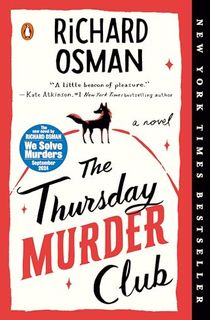
The Thursday Murder Club

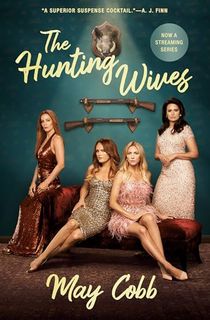
The Hunting Wives
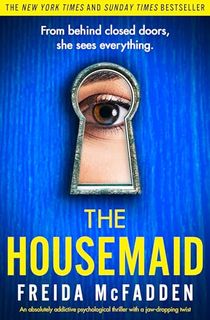
The Housemaid

Deceptive Narrators
Jeff Ayers, thriller writer of the National Park series and one part of the writing duo behind J.B. Abbott of the cozy Picking Up the Pieces, sees the evolution of the unreliable narrator: “there's been a trend of going from the unreliable narrator, like the Gone Girl type stuff, more toward just straight up deception.”
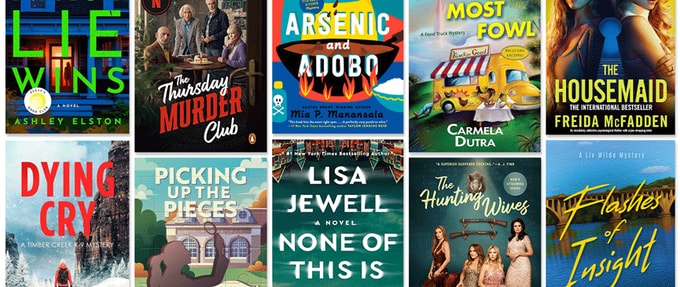
As a reviewer of mysteries and thrillers for Library Journal, Ayers pointed out that there’s a proliferation of these deceptive narrators in books with “lying” or “lies” in the title. Examples include Ashley Elston’s First Lie Wins and Lisa Jewell’s None of This is True.

First Lie Wins


None of This Is True

Cozy Genre Gets Bigger in More Ways Than One
Several authors remarked on how the cozy mystery genre is also changing for the good. Blacke noted: “The ‘cozy’ subgenre has moved beyond cozy mysteries, to cozy romance and cozy fantasy. I think people need comfort reads more than ever, and cozies fill that need.”
For instance, she has seen the lines between cozy mystery and cozy fantasy “starting to bleed.” More cozies have supernatural/fantasy elements, which is fun to read and great to write for Blacke.
Daphne Silver, Agatha Award-winning author of the Rare Books Cozy Mystery Series, sees the continuation of authors pushing the boundaries of what is considered a cozy mystery. For instance, Silver pointed to Lynda Allen’s Liv Wilde Mysteries, which have been dubbed “Jersey-Cozies" that break some of the norms of the cozy mystery genre.
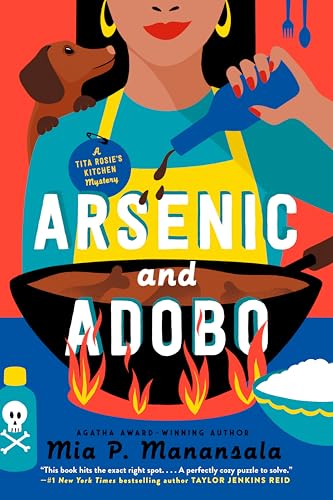
Allen does not hold back on language and also focuses on menopause, which is not often part of many cozy mysteries. Mia Manansala’s Tita Rosie’s Kitchen mystery series has tackled more serious issues than many cozies have historically included, such as institutional racism and mental health.
Silver attributed this trend to a readership that wants elements of the cozy—the puzzle, a relatable protagonist who makes a difference in their community, and living vicariously through the main character—but also wants to see cozies that reflect themselves as readers. They do not always want cookie-cutter plots.
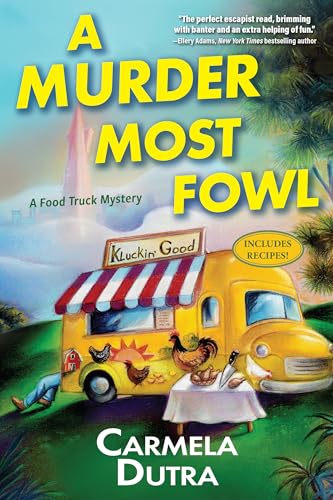
Brian Tracey, former chairman of the Dallas-Fort Worth Writers’ Conference and co-writer with Ayers of Picking Up the Pieces, pointed out a bifurcation in the market between cozies and deceptive narrators. People want escapism with cozies, like their cozy with puzzles or Carmela Dutra’s A Murder Most Fowl, which is about a chicken-themed food truck.
But then other people want to explore the darker elements of life in these thrillers and even in horror.
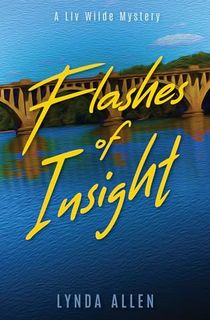
Flashes of Insight
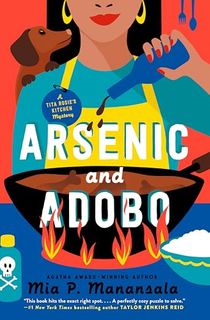
Arsenic and Adobo
A Murder Most Fowl
The Rise of Ensemble Casts
Mysteries have long featured sidekicks to the detective, from Sherlock Holmes and Watson to Nero Wolfe and Archie Goodwin. But Tracey sees the rise of more ensemble casts helping the amateur sleuth solve the crime.
He mentioned The Thursday Murder Club, where four elderly characters work with a network of police and others to get to the bottom of the crime. Tracey describes it kinda like “Scooby Doo” but with gray hairs.
Picking Up the Pieces also has an ensemble cast of puzzle enthusiasts helping the protagonist, Katie Chambers, clear her family’s name.
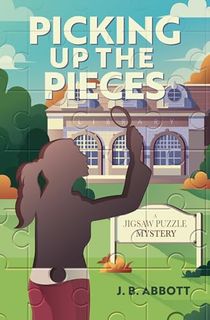
Picking Up the Pieces

Popularity of Outdoor Mysteries
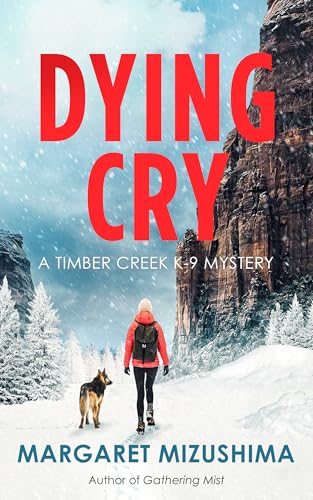
Margaret Mizushima, award-winning author of The Timber Creek K-9 Mystery Series, has noticed how the market has changed for outdoor mysteries and thrillers.
When she first started writing her K-9 Mysteries series, the market seemed focused on mysteries and thrillers set on either the West or East Coast, typically in urban areas.
But now she’s seeing greater interest in books about the heartland, particularly books about the wilderness and working dogs, like in her series.
Dying Cry
Industry-Wide Changes
The mystery and thriller world has also been impacted by industry-wide changes in the past year, most notably the rise of artificial intelligence. Many thriller and crime writers are starting to receive settlements from the Anthropic settlement after the company used their copyrighted material to train its software.
Troubling is Disney's recent deal with OpenAI to open its assets to AI content. But it remains to be seen whether readers will really accept AI-written books and other media. Afterall, in November, New Zealand’s Top Prize, the Ockham Book Awards, disqualified two books because they had AI-designed covers.
Silver pointed out that many people are scared of how AI will impact their careers, rightfully so, but she believes that AI may impact the world around writing more than writing itself, from distribution, marketing, and audiobooks.
Silver’s also interested in seeing the impact of the closure of Baker & Taylor, “the largest supplier of library content, software and services to public and academic libraries in the US,” according to the company website.
We will see in the next year what will happen to the book and library markets with the loss of this major player.
But the consensus is that reports of the book industry’s demise are greatly overstated. “The books are still popular; the shows are still popular. It's a complete fabrication,” Ayers said, “There are so many great writers out there and so many great shows.”
So go forth and read the increasingly evolving and widening world of thrillers and mysteries in 2026!


